History of the property
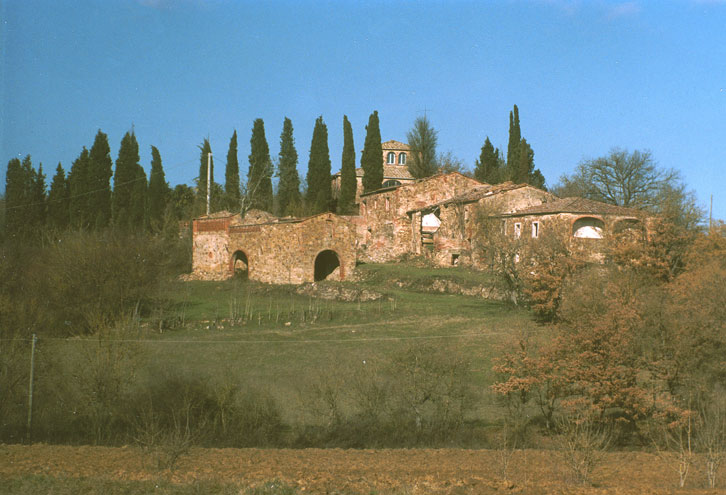
Gagnoni Holiday Estate was built on the grounds of the historically prominent Gagnoni family. The estate originally consisted of an imposing manor house – the Casa Padronale – situated at the top of the hill and surrounded by farmhouses and barns. The family spent their summers here, while residing the rest of the year in Palazzo Gagnoni in Montepulciano, which today is owned by the Italian state. The farmhouses on the estate were permanently inhabited by agricultural workers employed by the family.
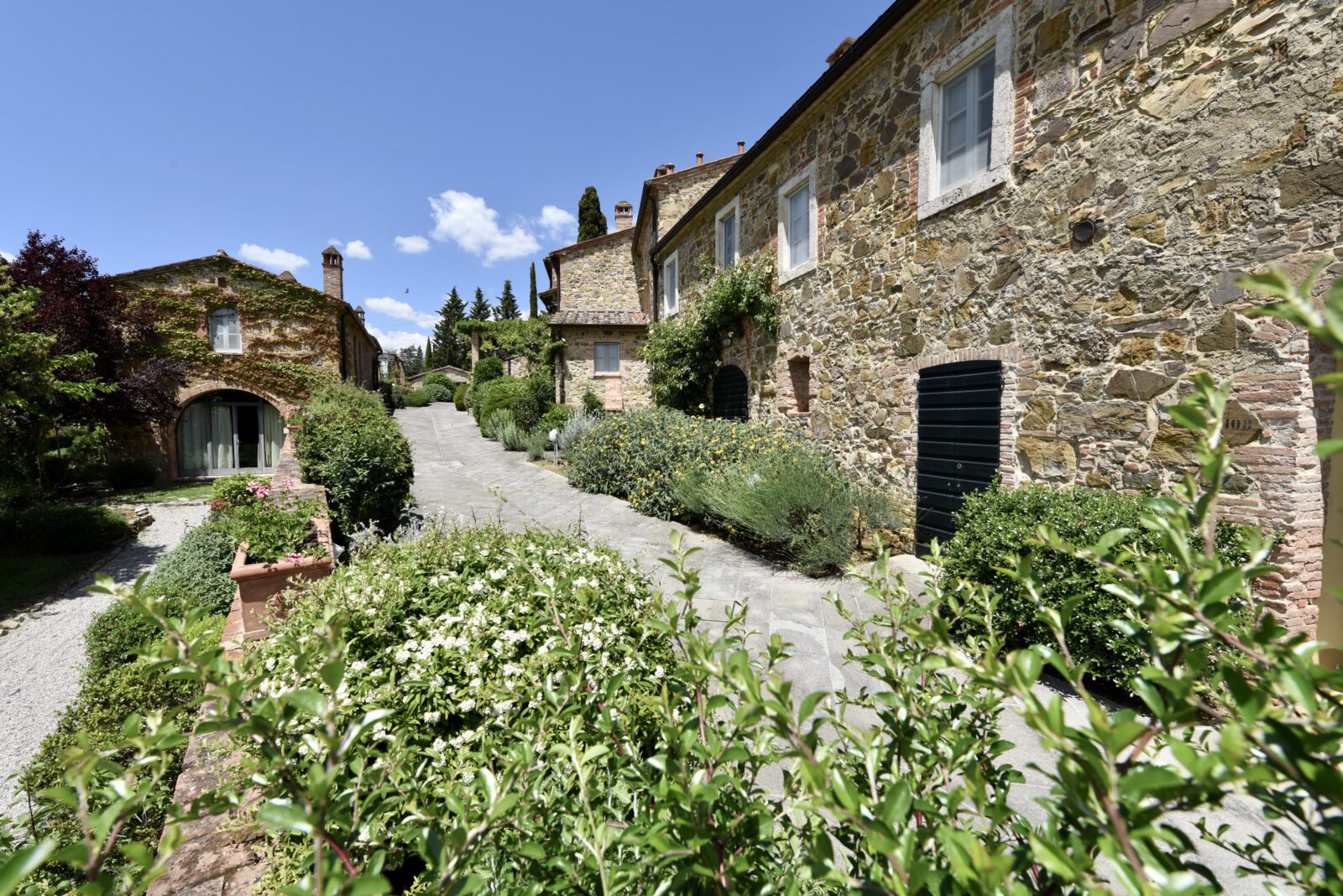
Today, the manor house is known as Villa Gagnoni, while Piccolo Borgo Gagnoni refers to the cluster of renovated farmhouses and barns.
The villa dates back to 1760 and was built from local stone, in the distinctive Leopoldine style of the region. This architectural style is named after Grand Duke Leopold II of Tuscany, who in the 18th century launched large-scale projects to transform the Val di Chiana from marshland into fertile agricultural terrain. Throughout the valley – particularly along the road to Cortona – many of these Leopoldine villas can still be seen, often topped with the characteristic colombaia or “dovecote tower”.
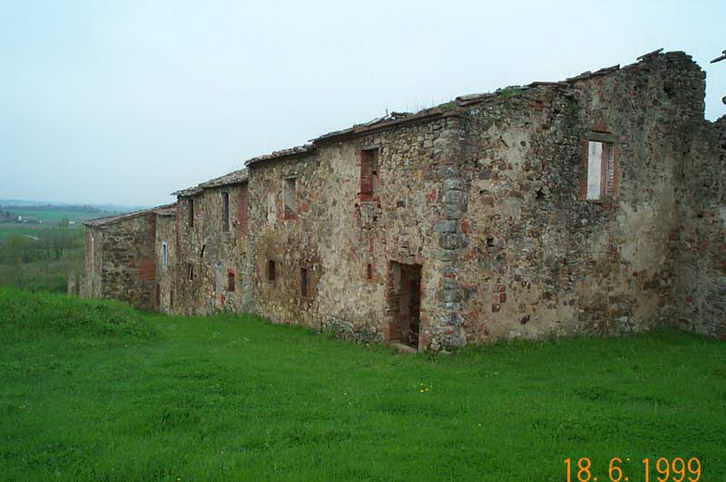
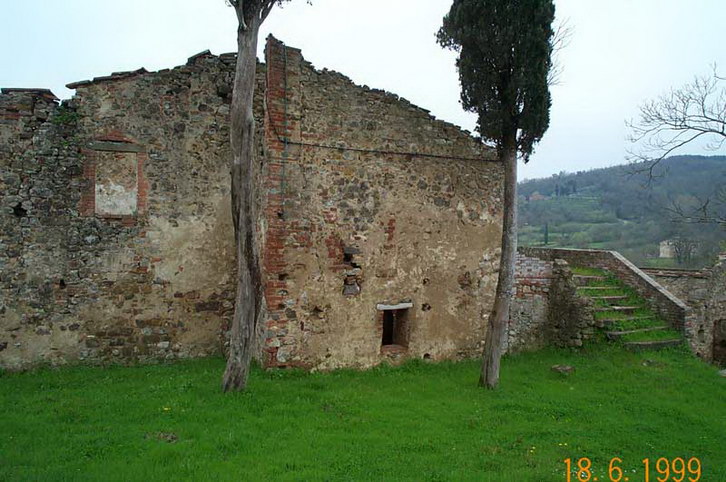
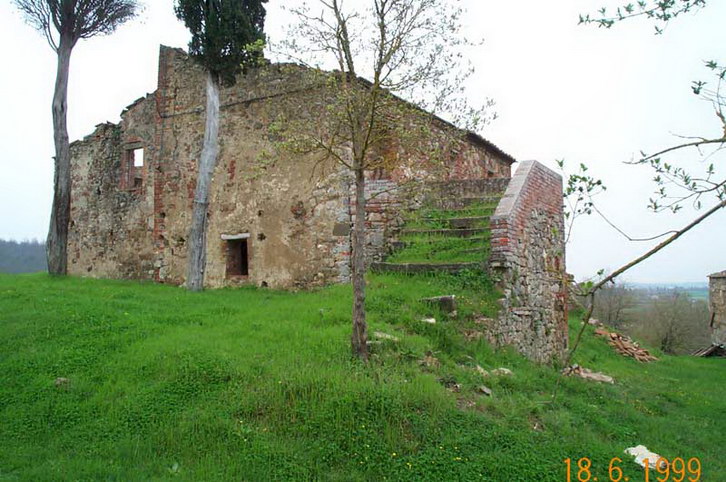
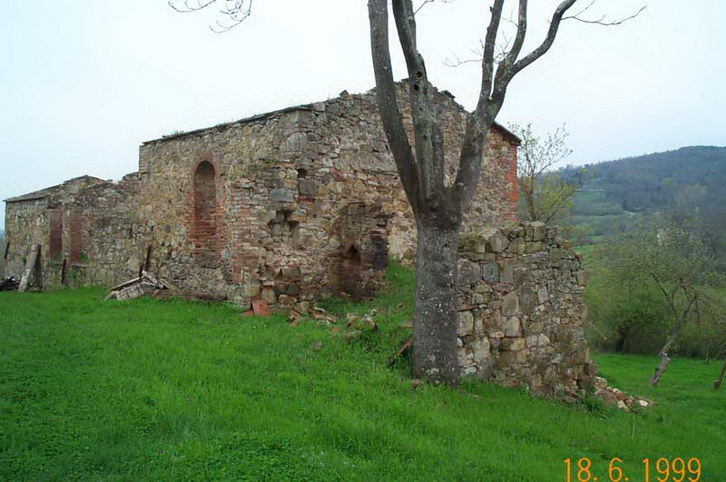
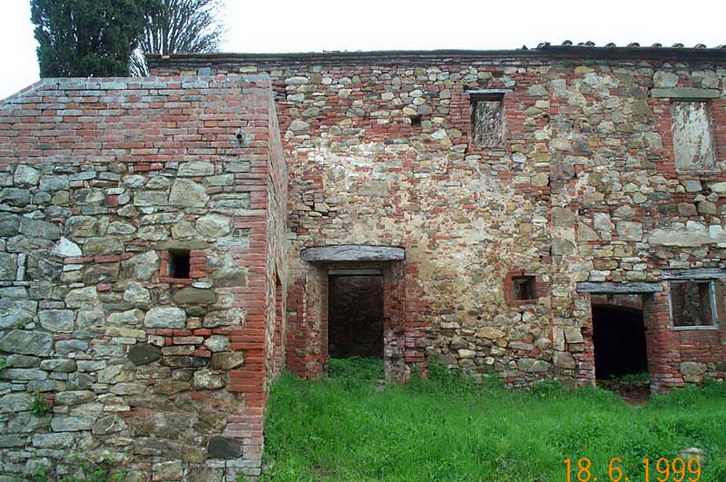
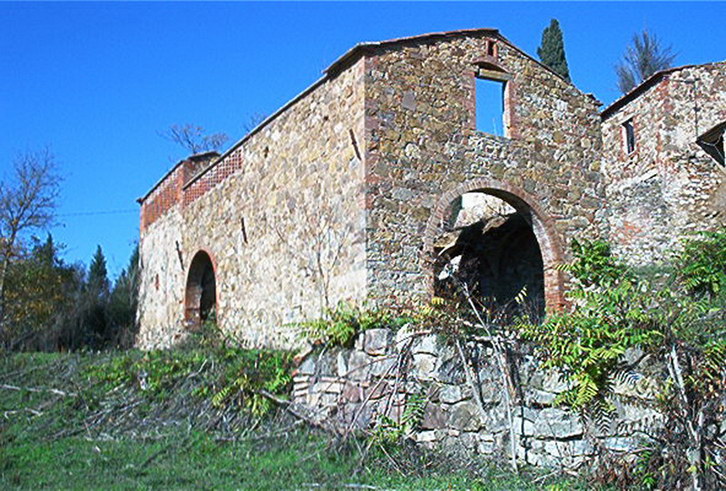
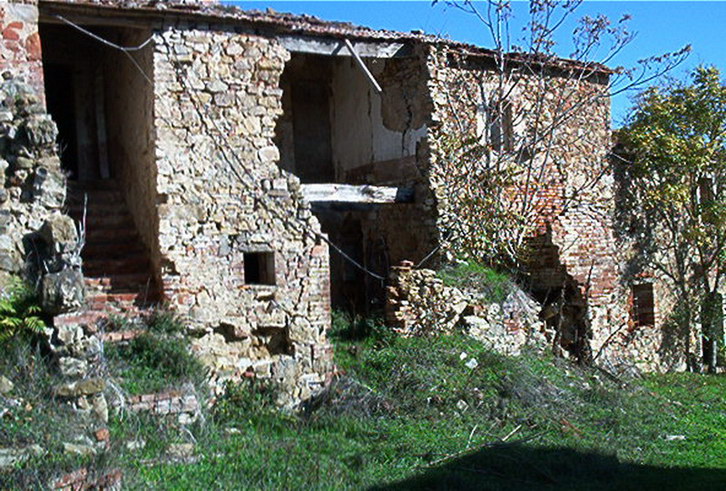
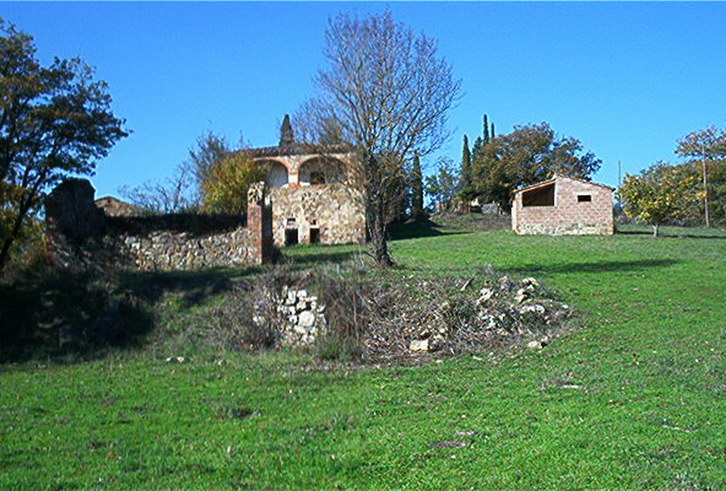
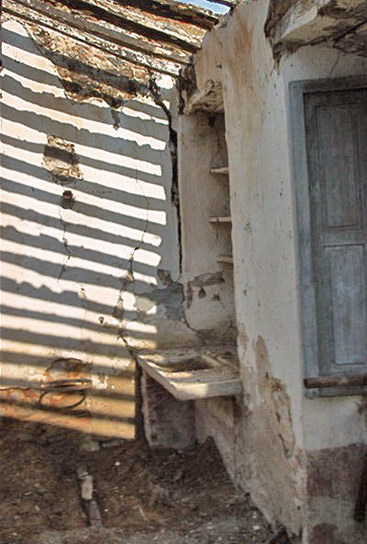
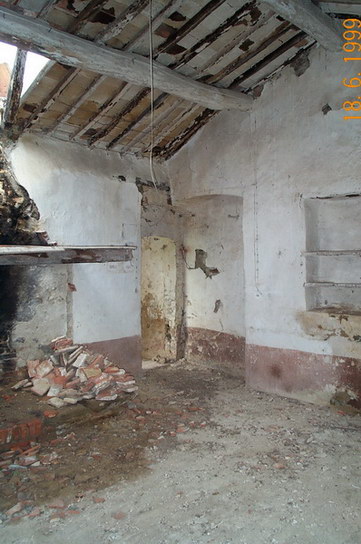
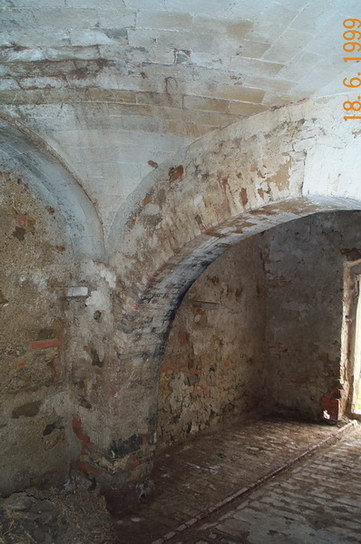
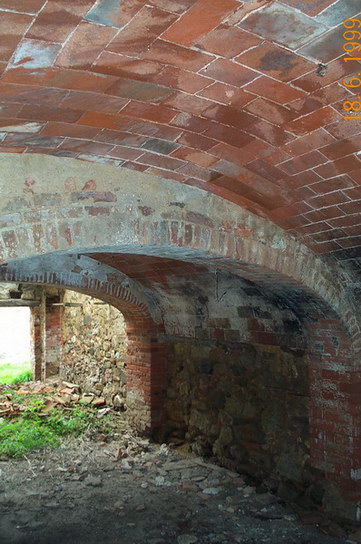
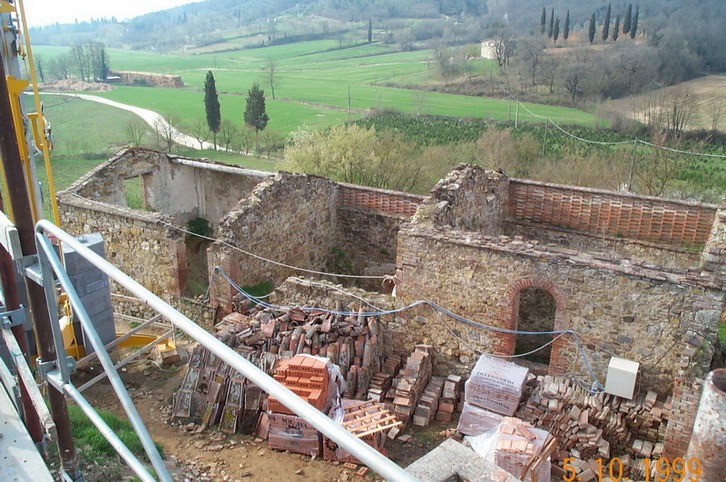
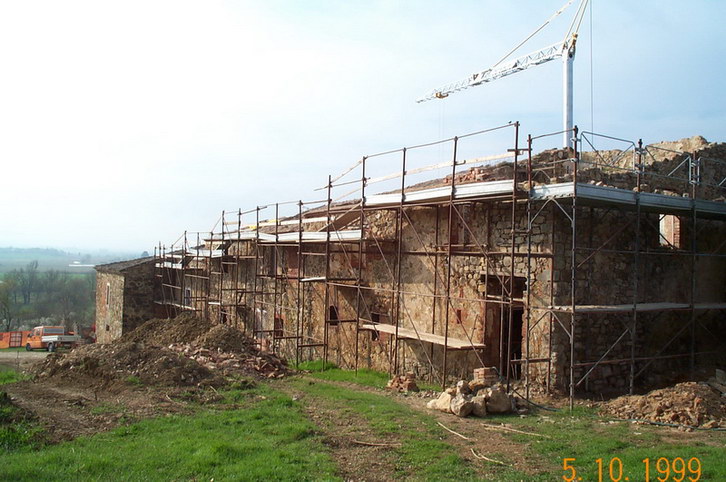
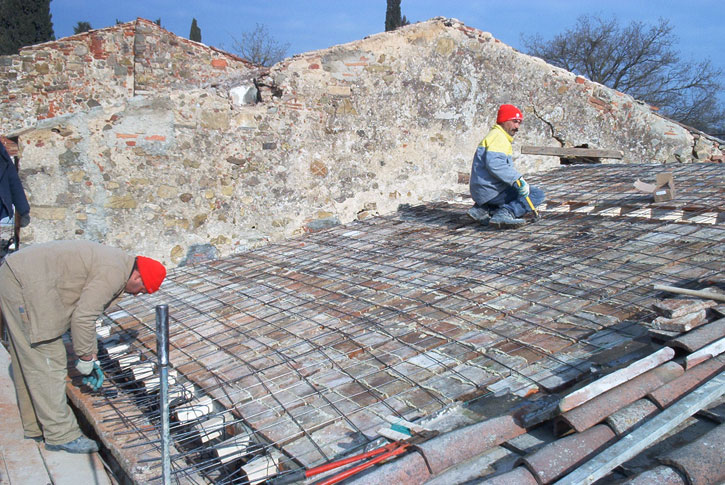
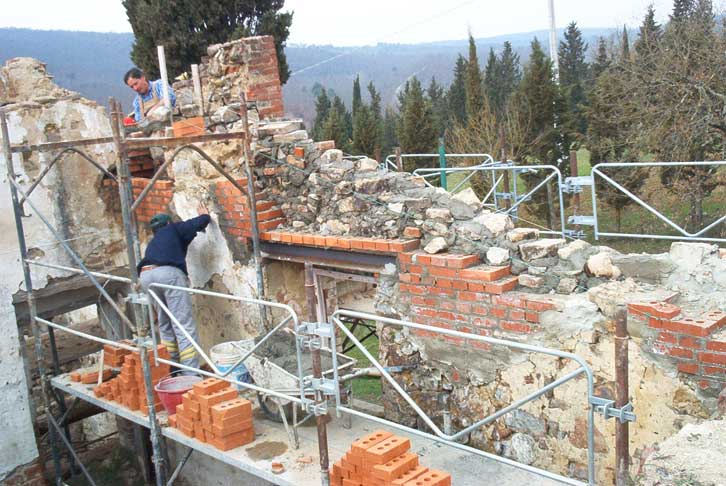
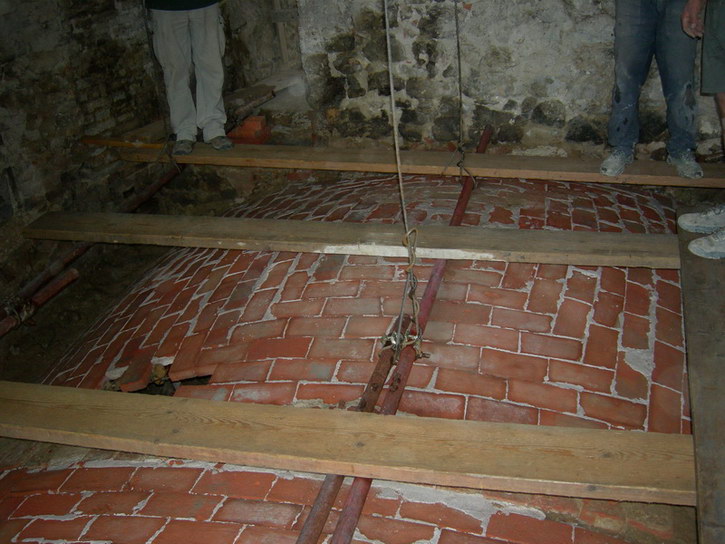
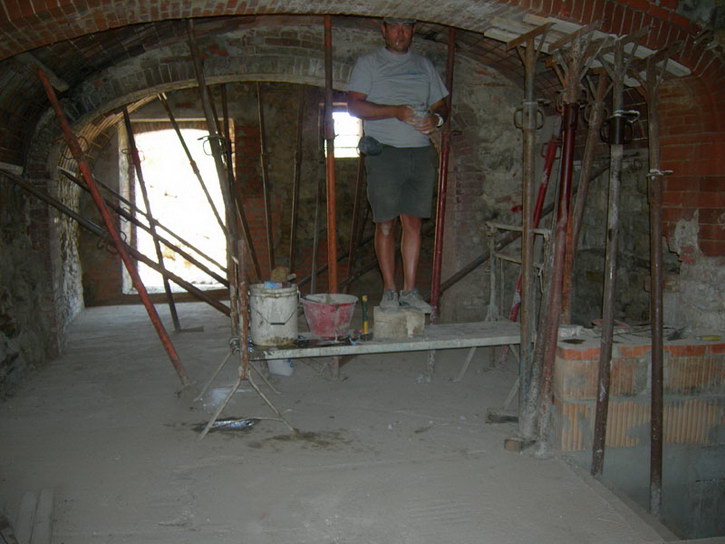
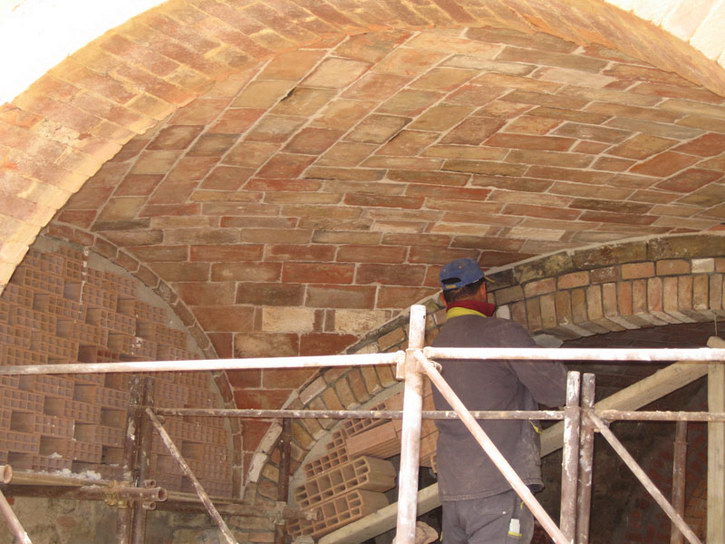
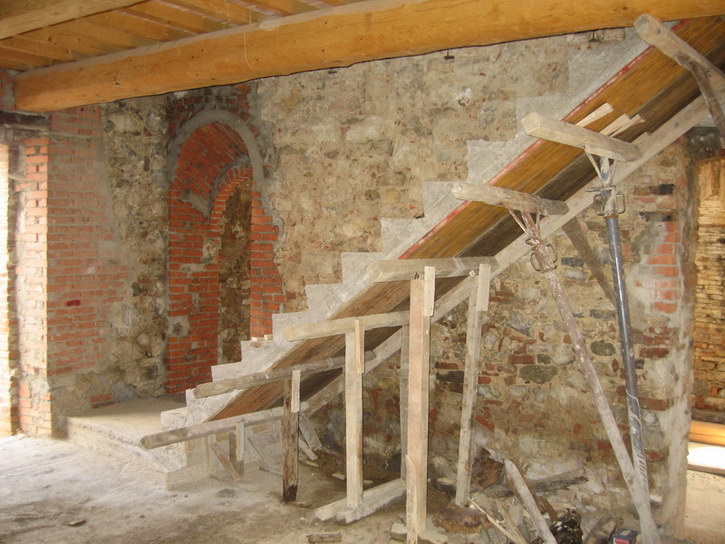
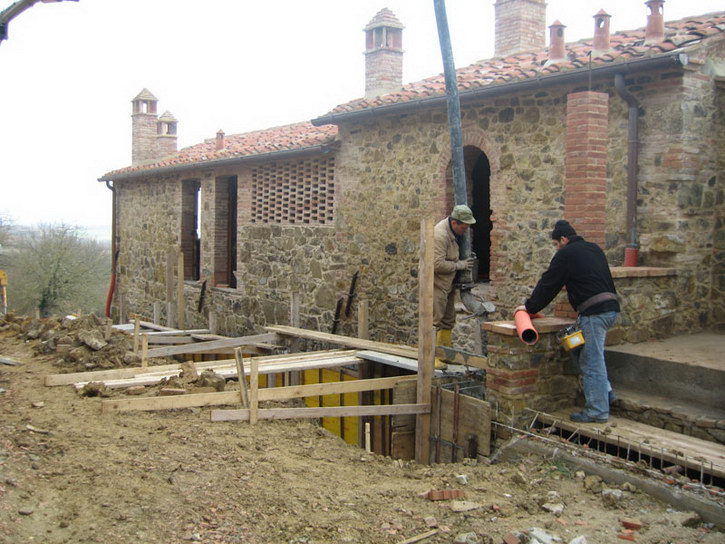
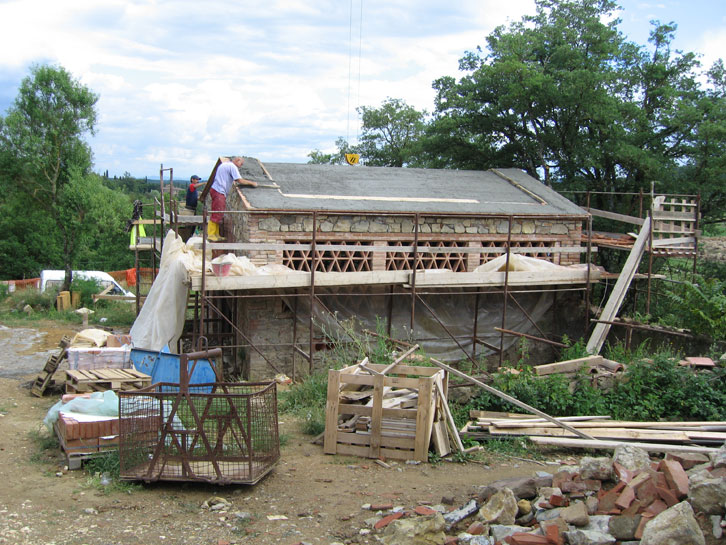
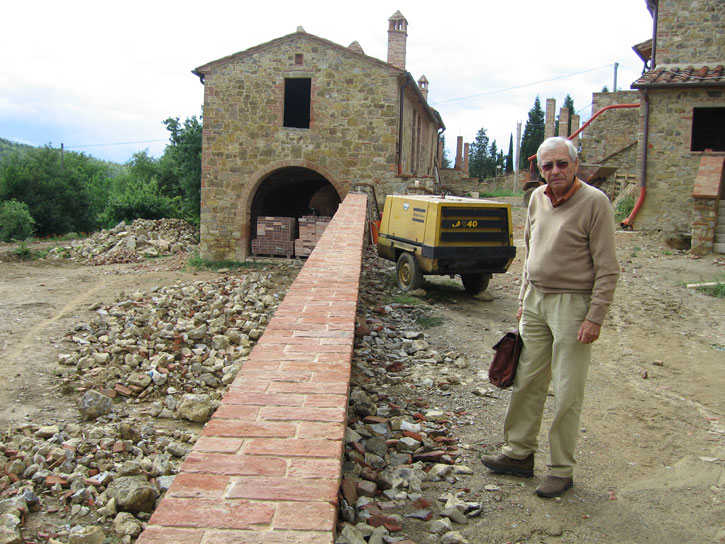
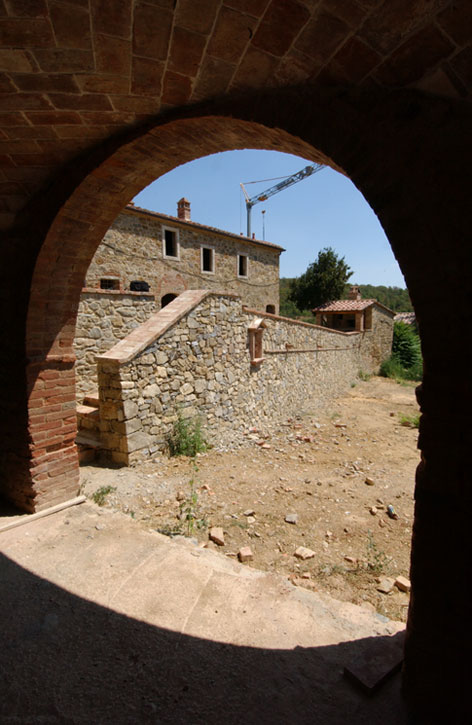
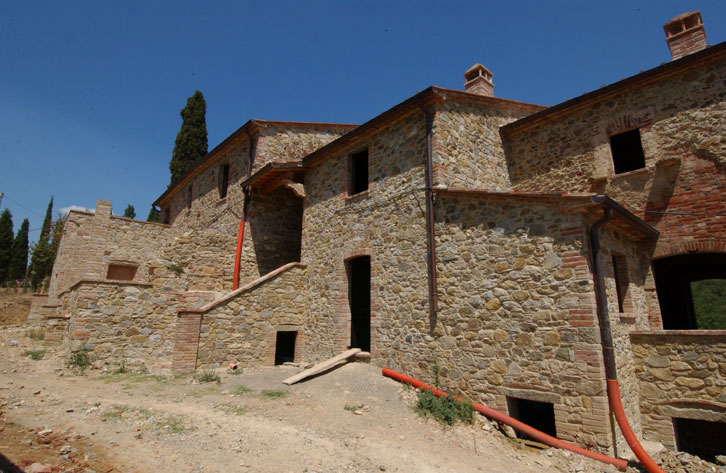
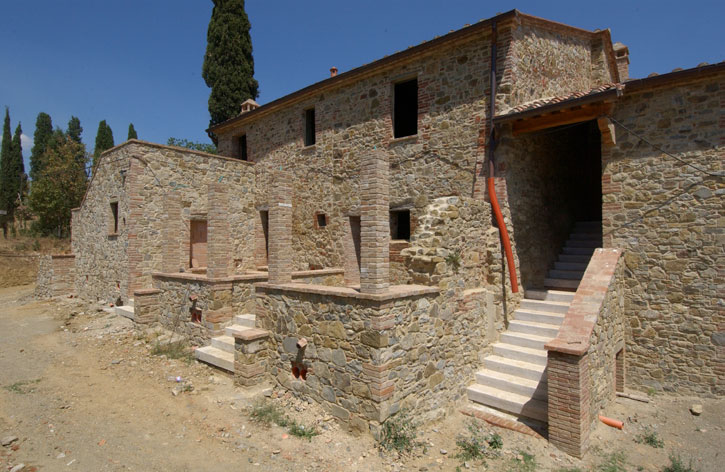
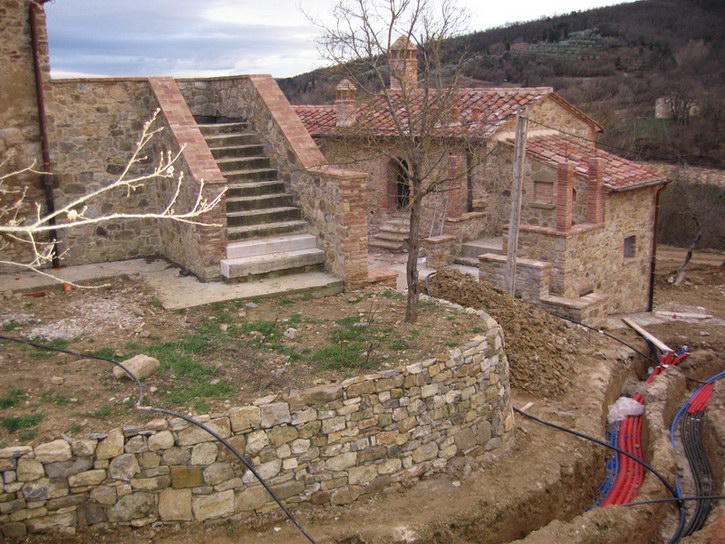
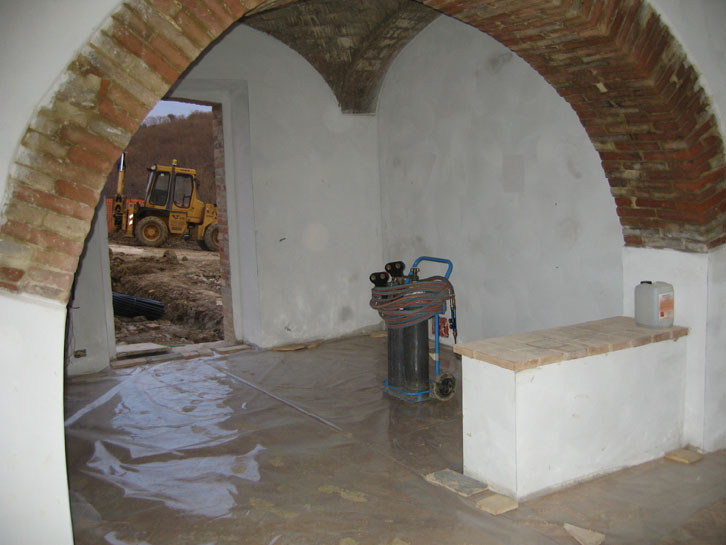
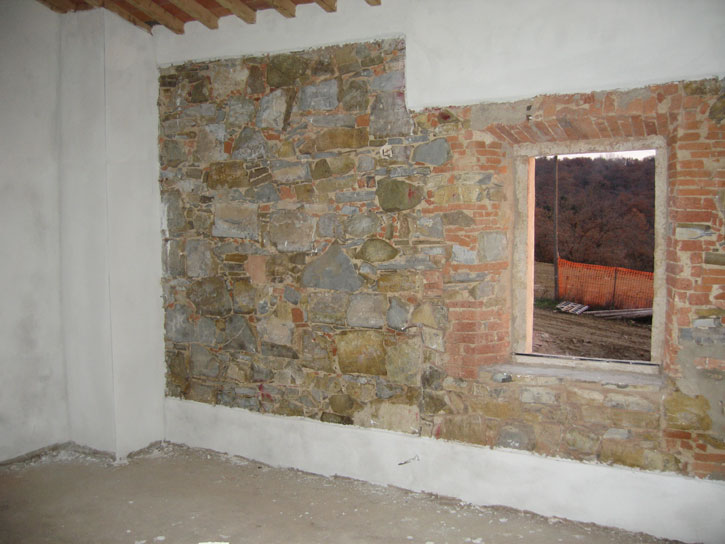
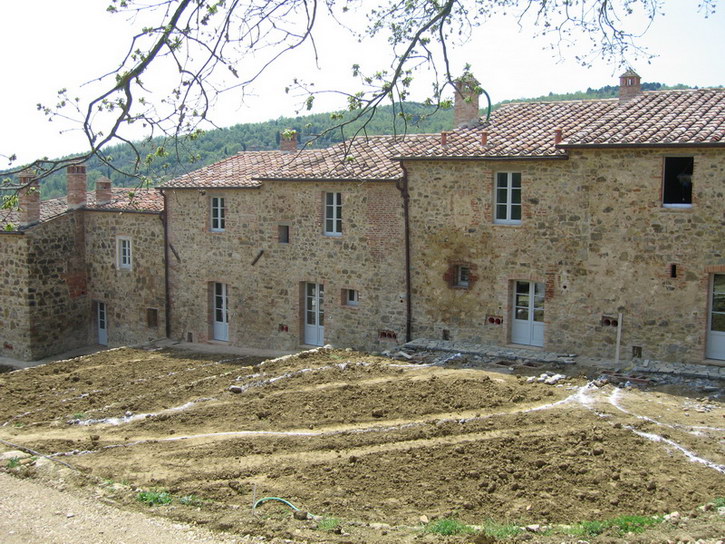
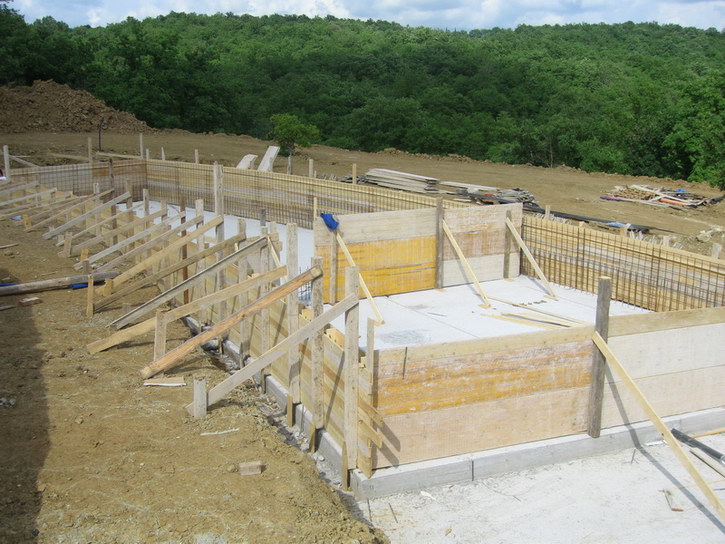
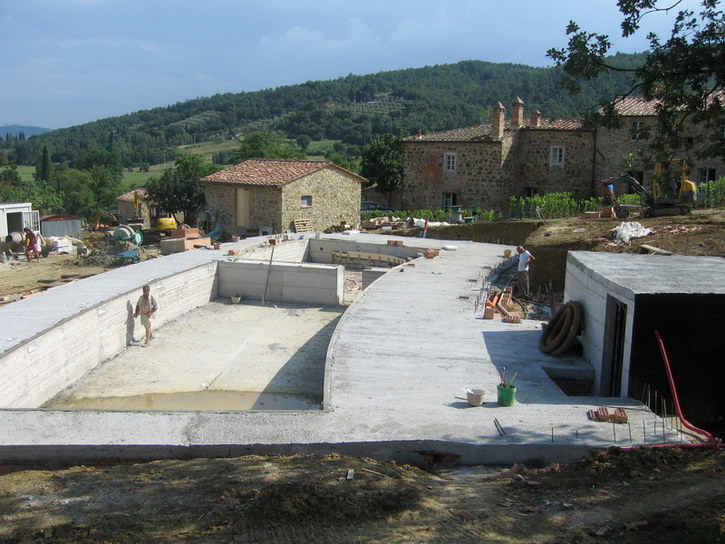
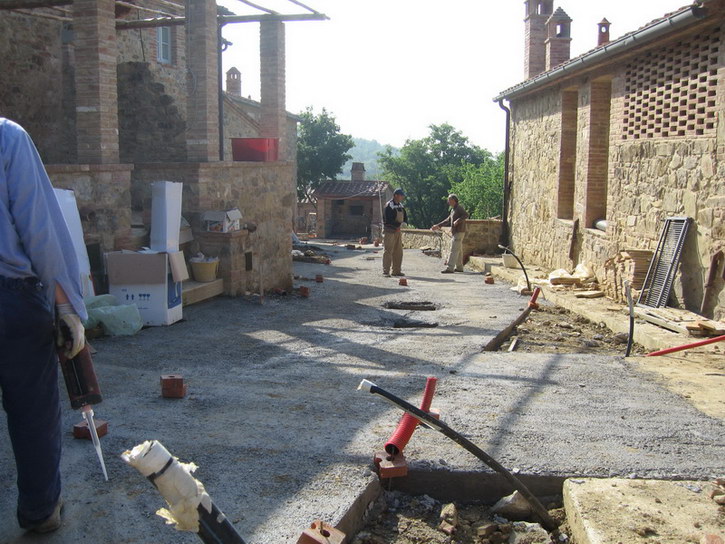
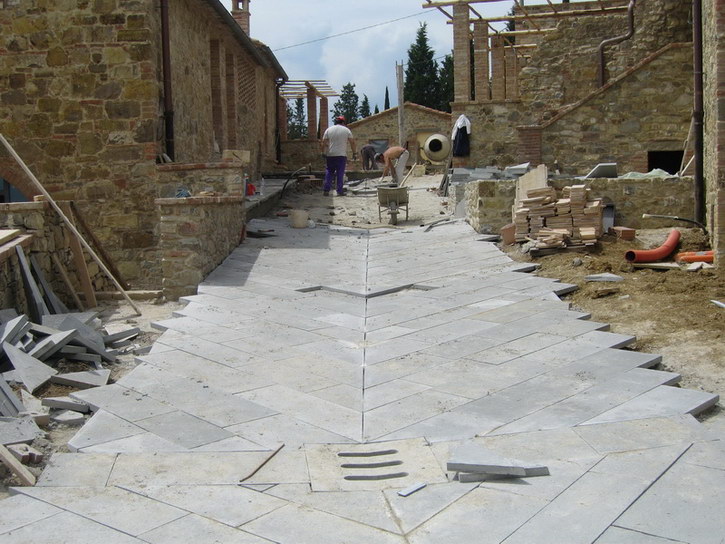
When the estate was purchased in the early 2000s, the buildings were in a state of severe disrepair. The farmhouses and adjoining barns had been reduced to ruins, overgrown with weeds and scorched by years of sun exposure. In 2004, owners Ann Pieters and Joost De Vleeschouwer, in collaboration with architect Fabiano di Banella, launched an ambitious renovation project to restore the estate to its former charm. Over the course of five years, the buildings were meticulously rebuilt and restored, with great care taken to preserve authenticity and historical integrity. Traditional architectural elements and local building techniques were honoured wherever possible, and original materials such as roof tiles, bricks and natural stone were carefully recovered and reintegrated into the restoration.
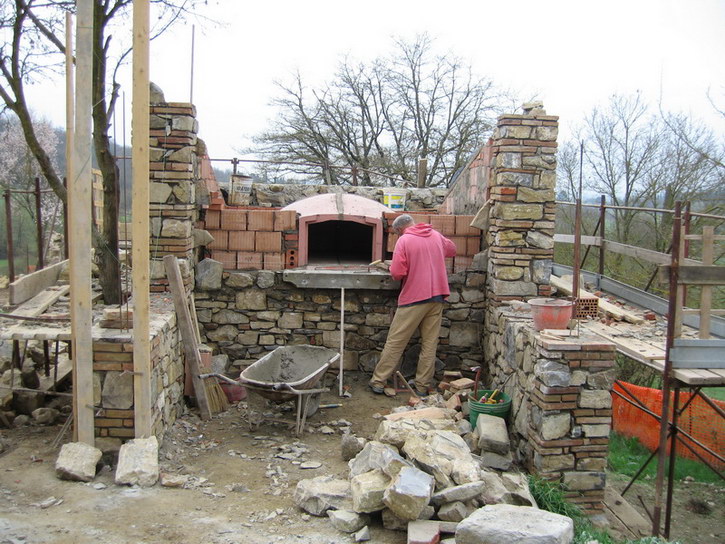
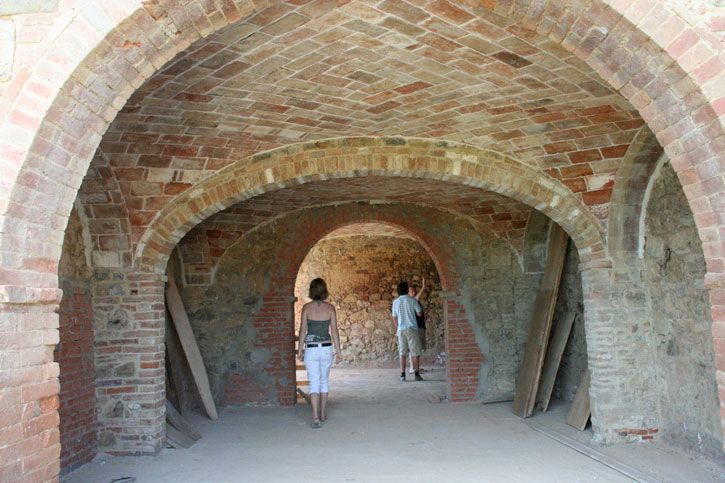
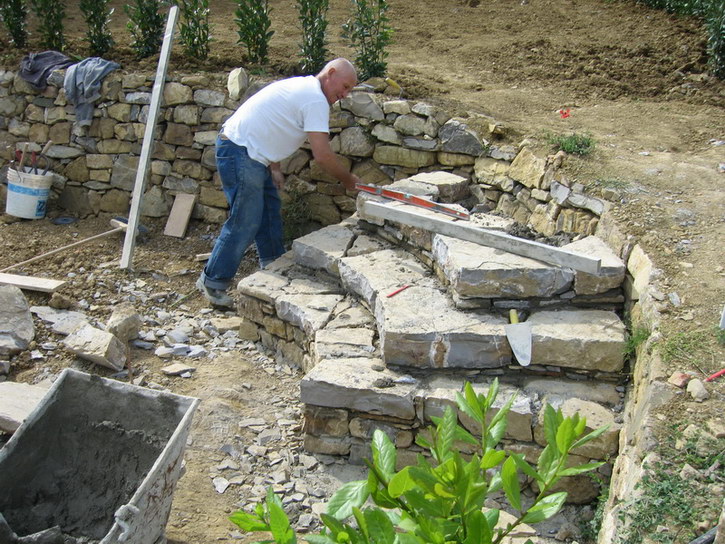
All interior floors were finished with hand-formed cotto tiles – unglazed, kiln-fired clay tiles still traditionally crafted in the region around Orvieto. This sense of authenticity is tangible throughout the estate: in the natural stone walls, arched brick vaults, outdoor staircases made of local travertino stone, a traditional wood-fired pizza oven, and so much more. The interior design reflects a careful balance between character and comfort. Authentic farmhouse furniture – largely sourced at the antiques market in Arezzo – was combined with contemporary conveniences. The kitchens and bathrooms were fitted with modern amenities, tailored to today’s expectations.
Gagnoni Holiday Estate is the result of the dream shared by Ann and Joost, who continue to run the estate together with dedication and care.